Like pretty much every industry out there, there are some aspects of floristry that aren't the most sustainable. But it's not all doom and gloom – small changes can go a long way. What's more, it's important to show your customers that you acknowledge not everything is perfect but you are doing what you can – and not only because it's the right thing to do but because it makes good business sense, too.
After all, shoppers are increasingly looking at how sustainable a brand is before deciding to shop with them. Recently, we pointed out a report from Deloitte that showed how 42% of millennials say they buy from brands only when they believe it has a positive impact on society or the environment. And that in the US, 68% of consumers expect brands to be clear about their values and take a stand on them (sustainability topped the list). These numbers will only be going in one direction from here on out: up!
In recognition of that, here are six Floom florists who are making their businesses more sustainable.
1. Diosa Blooms
A Filipinx flower and plant shop in San Francisco, Diosa Blooms is proudly committed to making the flower industry more sustainable by engaging in more environmentally aware business practices. Diosa Blooms say: "We let the season guide our designs, sourcing most of our flowers from local vendors in Half-Moon Bay and in the Bay Area. We believe in cultivating a compassionate workplace and community, in which we make the best decisions for our earth and social environment." Even better, Diosa Blooms does an amazing job of communicating this to their customers through their Instagram.
2. Berry Branch
Founded in Somerville, MA, in 2018, Berry Branch hasn't wasted any time in doing everything they can to become as sustainable as possible. Check out Berry Branch's website, which lists a variety of sustainability practices, from minimal packaging and growing as many flowers as they can from their own garden to composting customers' organic scraps. Berry Branch also encourages their customers suggest new ideas that might help them reduce their carbon footprint.
3. Queen of Vase
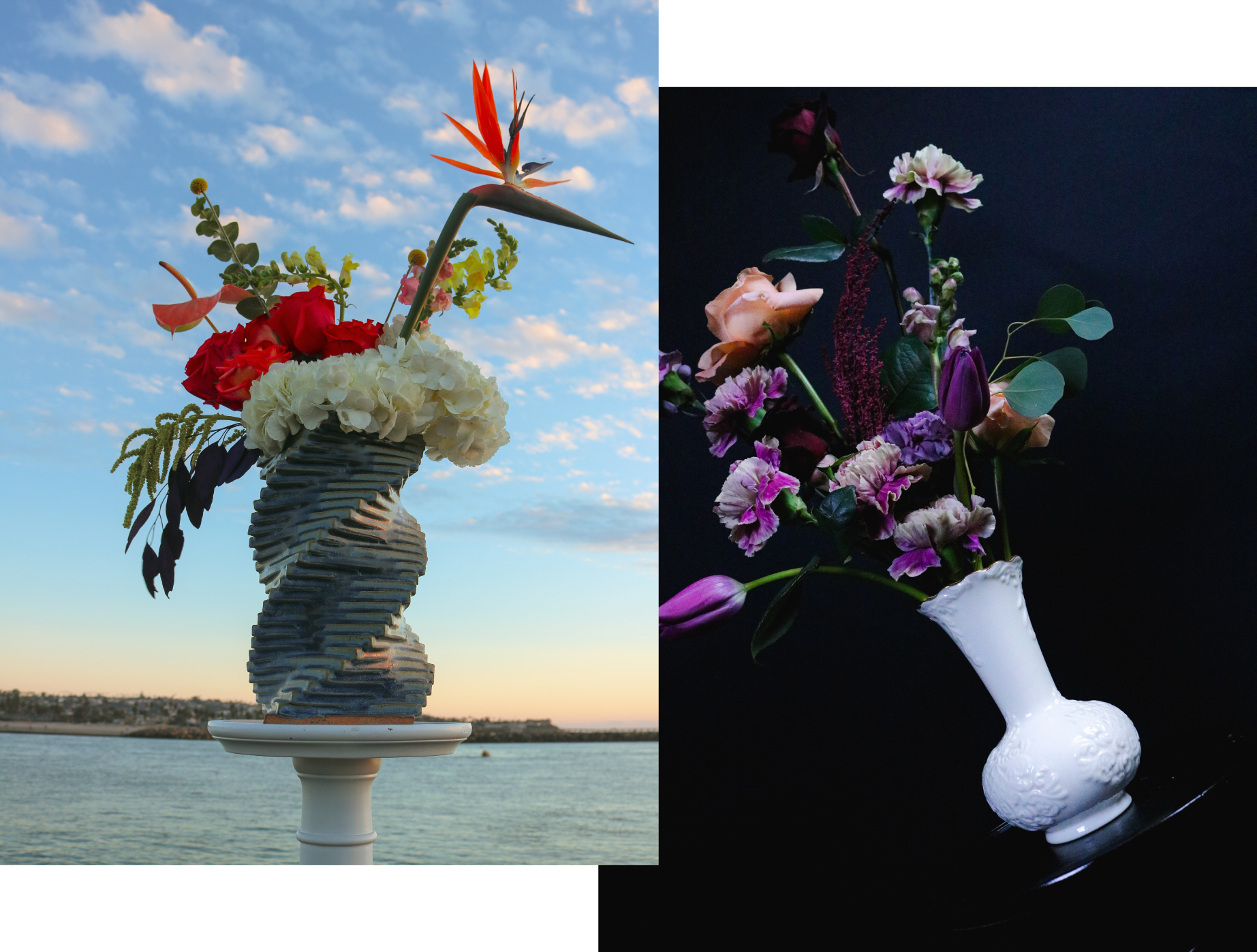
Queen Of Vase in San Diego composts or donates all of their excess flowers. They also use durable, second-hand vases to avoid contributing to landfills as much as they can. Founder Bridgette Barker says she has recently adopted two mainstays: "A green thumb and a love for the thrift."
4. NB Flowers
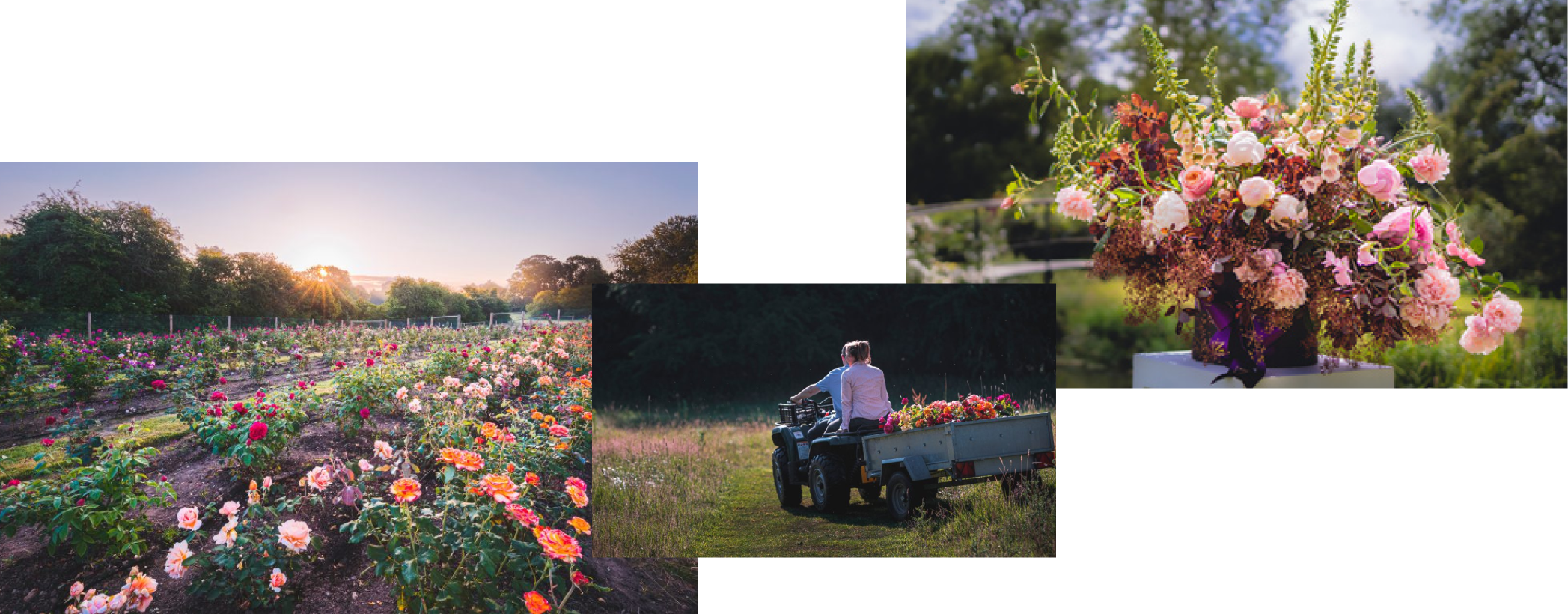
London-based NB Flowers grow their own roses (30 varieties of them in fact!), supplying locally grown flowers. Using British-grown flowers means NB Flowers create 95% fewer carbon emissions than the average imported bouquet. "When we struggled to find the fine English scented roses prized by our most discerning clients," says NB Flowers, "we knew the only answer was to grow our own. And we knew such rare, natural beauty was possible only by growing them in nature."
5. Dotties Flowers
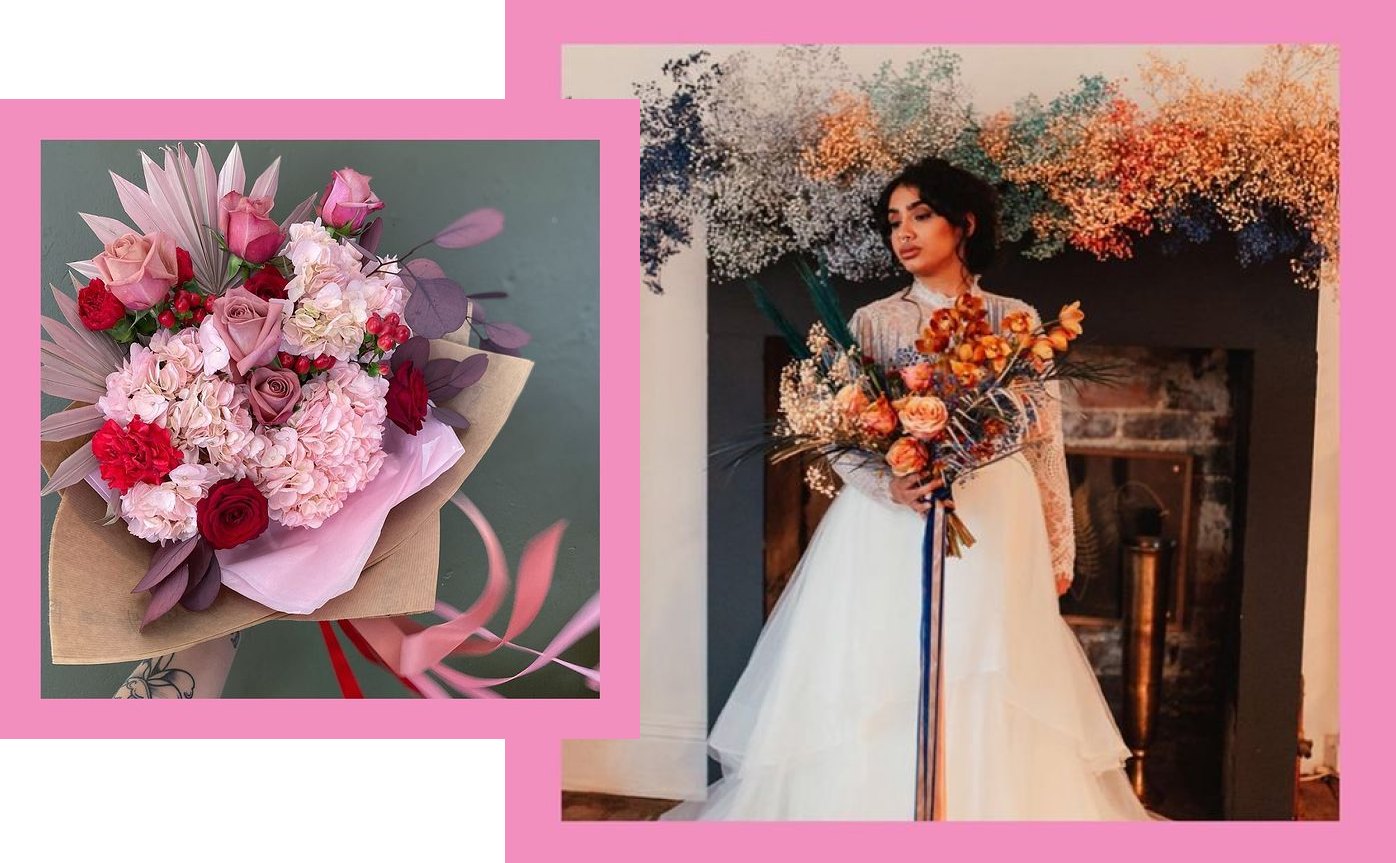
Based in Leeds, Dotties Flowers wraps all of its flowers with brown paper and real ribbon. "We’re proud our flower bouquets don’t have to cost the Earth (literally)," they say. In addition to this, they fulfil as much carbon off-setting as they can, by planting trees with every order.
6. Claudia & B
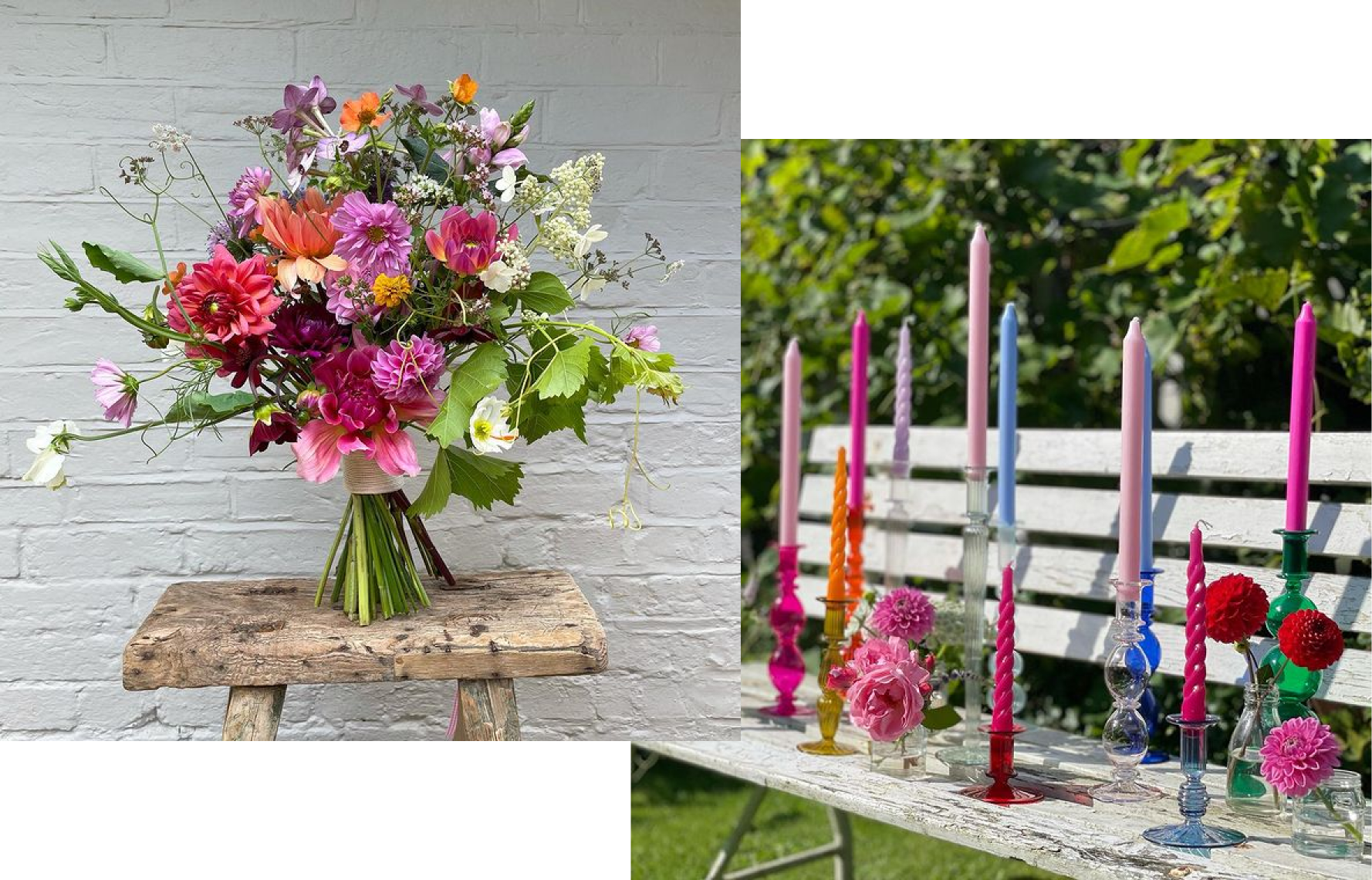
Located in a small village on the outskirts of Winchester, Claudia & B is a family run business. Meg, the founder, says sustainability is key to their offering: "I sourced a local flower farm to work alongside our own garden flowers, and started to create gorgeous posies and share the character of seasonal British flowers."
How can you become more sustainable?
While it can be hard to promote total sustainability within the flower industry, it’s useful to highlight the steps your business is taking including:
- Material or packaging substitution
- Working towards a circular economy
- Encouraging staff to recycle, reduce and reuse
- Localised sourcing
How you can message to your followers that you are taking sustainable steps
By labeling products as popular, or assuring consumers of the quality of the product, it advertises the fact that other people believe a product has value. Advertising that a product is "sustainable": is a powerful way of social proofing that shows care and commitment has gone into creating a product. If a business has made the time to ensure some part of the product is sustainable, it implies that time and care has gone into making the product of a higher quality. There are several ways to do this on your product page, social media and website homepages, here's our top three:
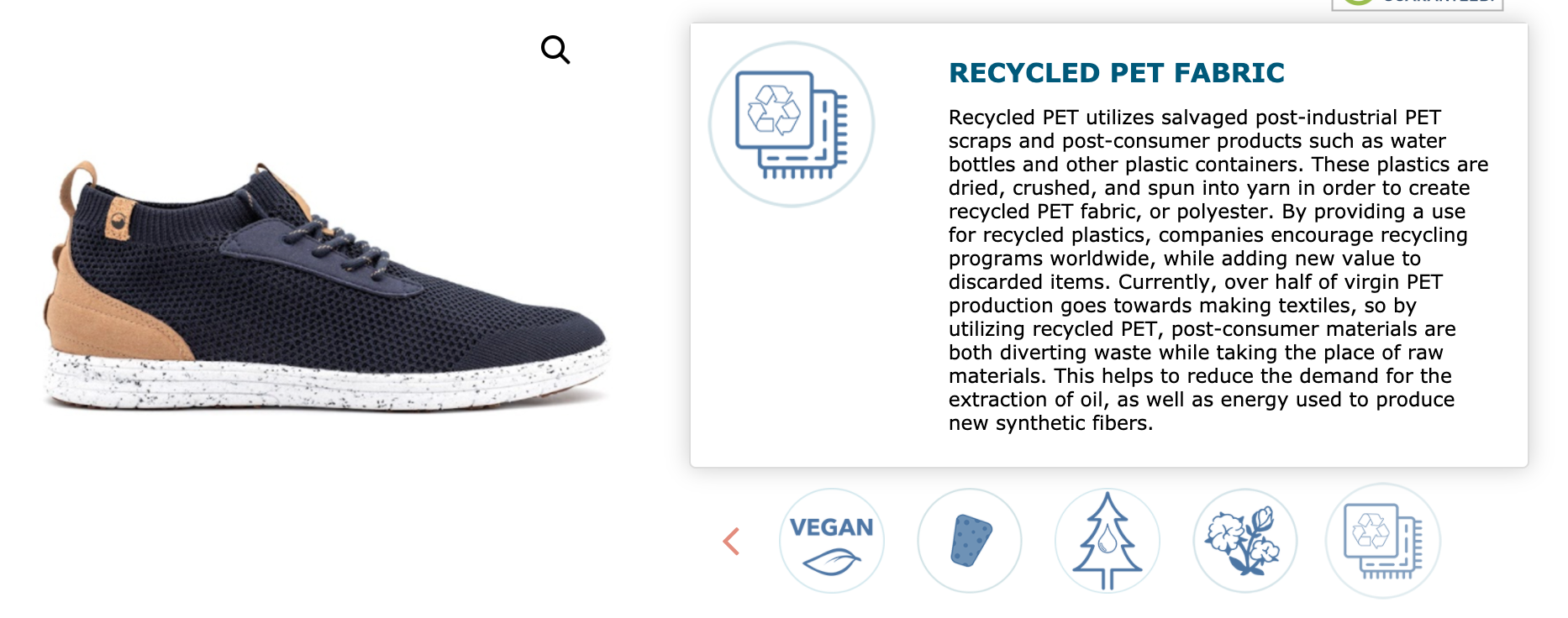
1. Infographics and icons Icons on-site, whether they accompany a product image or sit below a product, can help customers immediately identify that there is something notable about the product, implying that there is a perceived extra value to the product they wish to purchase. Icons are useful for their reusability, as they can be reused on social media through stories, and within email newsletters.
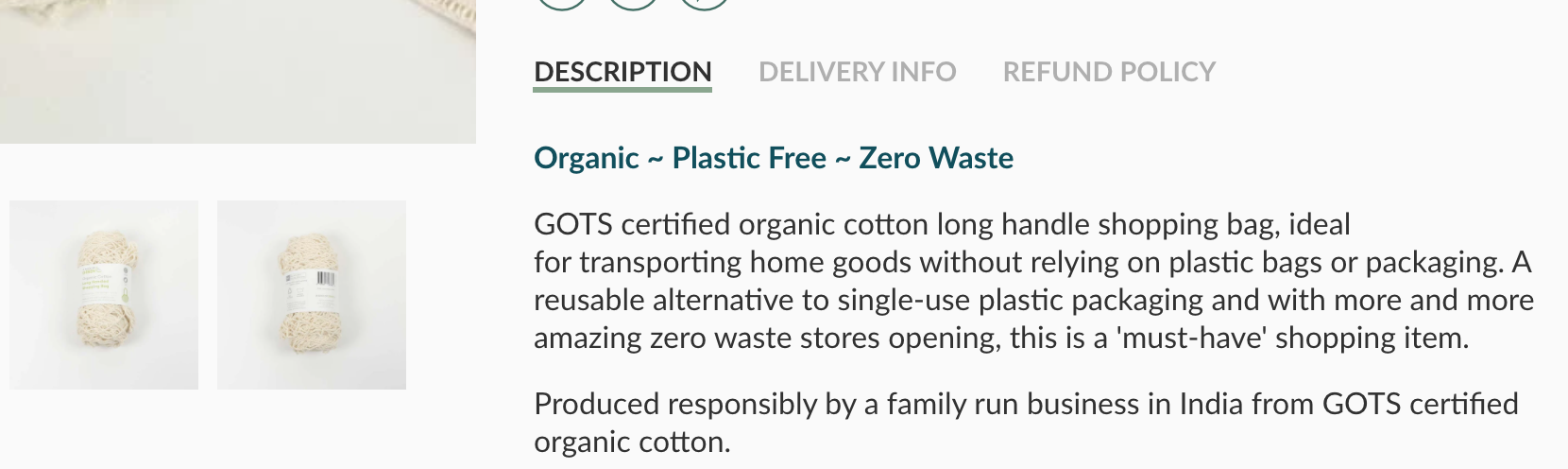
2. Product descriptions Consumers who are still deciding whether your product is right for them will read the product description. This part of the product offering is the equivalent of a shop owner explaining their product to a customer and can provide extra guidance and a chance to better qualify your product for purchase by undecided consumers. Clearly labeled descriptions can again alleviate any anxiety surrounding the purchase decision by highlighting that you have taken the time to ensure your product is sustainable.
3. Banners Using banners on your website homepage can help show your brand commitment to a cause. If your products all adhere to a certain sustainable practice that you wish to promote, it is important that you highlight this on your home and landing pages as well, not just your product page as a repeated advertisement of a USP helps enforce the point and build trust.